Bari akhorzhak · from our hearth to yours

Hands finishing a plated dish in a warm kitchen

From the foothills of Ararat

Armenian Cooking Without Vegetable Oil

Six dishes from one of the world's oldest kitchens, cooked the way they were long before the seed press arrived: with butter, ghee and fire.

«Karag, krak, hamberutyun.» Butter, fire, patience. Everything else is decoration.

Real fats only Cook over living fire Never a drop of seed oil

The Table

Six dishes, six honest fats

Every recipe below is cooked exclusively with butter, ghee, lard, tallow, olive oil or coconut oil. Click a dish to open its full ingredients and method.

  1. Ingredients

    • 3 lb pork shoulder, cut into 2 inch pieces
    • 3 large yellow onions, sliced into rings
    • 2 tsp coarse salt
    • 1 tbsp sweet paprika
    • 2 tsp freshly cracked black pepper
    • 1 tbsp dried basil
    • 1 tsp dried summer savory or thyme
    • 3 tbsp melted butter, for basting
    • 2 ripe tomatoes, halved
    • Lavash and fresh herbs, for serving

    Method

    1. Put the pork in a wide bowl with the salt, paprika, pepper, basil and savory. Add the onion rings and squeeze everything together with your hands until the onions release their juice.
    2. Cover and refrigerate overnight, or at least 6 hours. The onion juice is the marinade; there is no oil in it and none is needed.
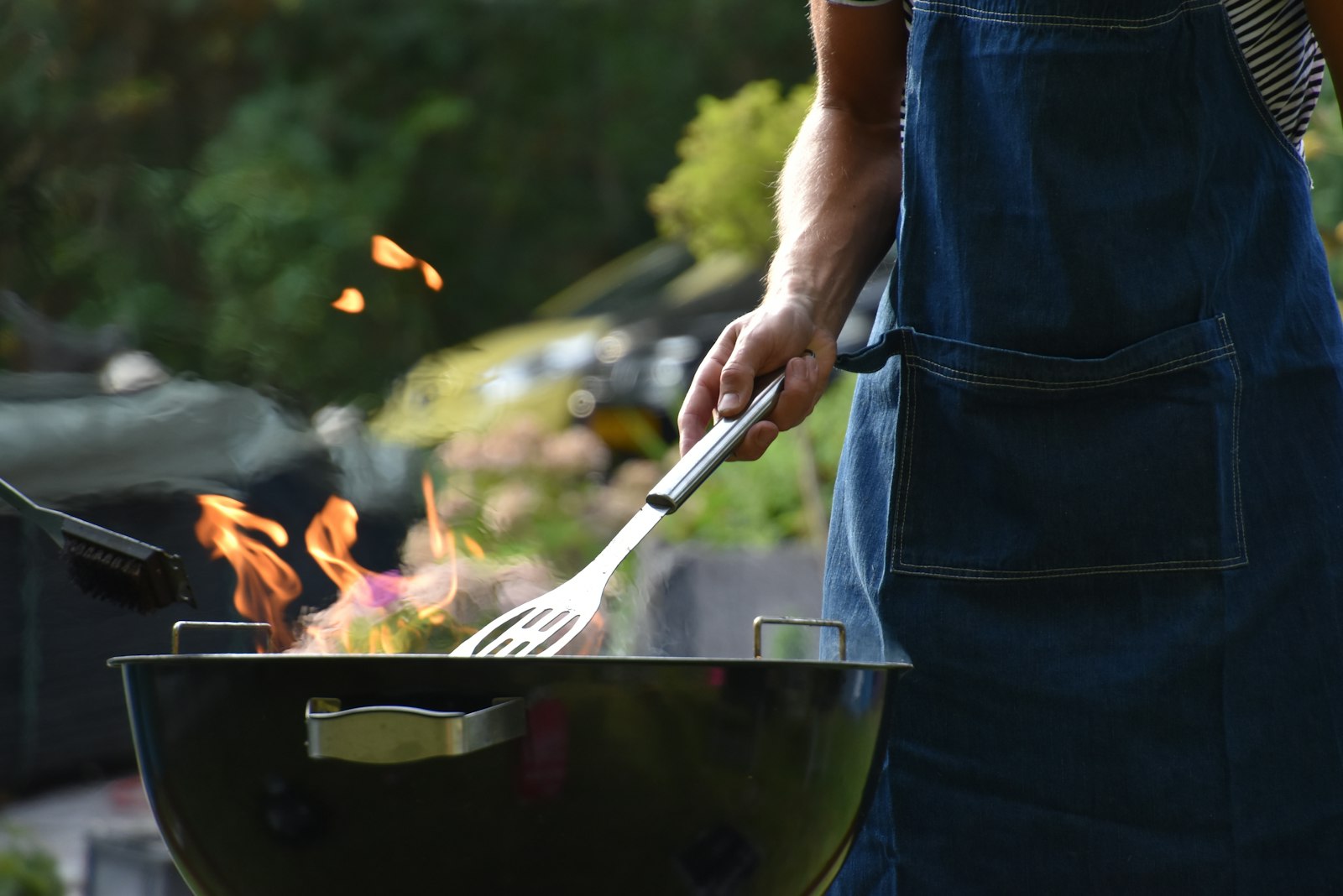
    3. Bring the meat to room temperature while you burn wood or charcoal down to glowing embers. Khorovats is cooked over heat, never over open flame.
    4. Thread the pork onto wide flat skewers, leaving a finger of space between pieces. Shake off the onions and reserve them.
    5. Grill 12 to 15 minutes, turning every few minutes, until deeply browned outside and just cooked through. Brush with melted butter in the last minutes and set the tomato halves cut side down at the edge of the grill.
    6. Slide the meat off the skewers onto a sheet of lavash, top with the grilled tomatoes, reserved onions and a handful of fresh herbs, and wrap loosely for five minutes before serving.
  2. Ingredients

    • 2 whole rainbow trout, about 1 lb each, cleaned
    • 6 tbsp unsalted butter, softened
    • 1 small bunch fresh tarragon
    • 1 lemon, thinly sliced
    • 2 cloves garlic, crushed
    • 1 tsp fine sea salt
    • 1/2 tsp black pepper
    • 1/2 tsp sweet paprika
    • 1 small red onion, thinly sliced
    • Flat leaf parsley, to finish

    Method

    1. Heat the oven to 400°F. Pat the trout dry inside and out and season the cavities and skin with salt, pepper and paprika.
    2. Mash 4 tablespoons of the butter with the crushed garlic and half the tarragon leaves, chopped.
    3. Spread the tarragon butter inside each fish, then tuck in the lemon slices and the remaining tarragon sprigs.
    4. Butter a baking dish with the rest of the butter, scatter the red onion over the bottom and lay the fish on top.
    5. Bake 18 to 22 minutes, until the flesh flakes at the thickest point and the skin has tightened.
    6. Rest 5 minutes, spoon the melted pan butter back over the fish, and shower with parsley before bringing the dish to the table whole.
  3. Ingredients

    • 2 medium eggplants, cut into thick half moons
    • 3 tbsp ghee
    • 2 waxy potatoes, thickly sliced
    • 1/2 lb green beans, trimmed
    • 2 bell peppers, cut into strips
    • 3 ripe tomatoes, roughly chopped
    • 2 onions, sliced
    • 4 cloves garlic, sliced
    • 1 small bunch each of parsley, cilantro and basil, chopped
    • 1 tsp salt and 1/2 tsp black pepper

    Method

    1. Salt the eggplant and let it sit in a colander for 20 minutes, then pat dry. This keeps the stew sweet rather than bitter.
    2. Melt the ghee in a heavy pot and soften the onions over medium heat until translucent, about 6 minutes.
    3. Layer in the potatoes, then the green beans, eggplant and peppers, seasoning each layer lightly with salt and pepper.
    4. Top with the tomatoes, garlic and half the herbs. Do not stir; aylazan is built, not mixed.
    5. Cover tightly and cook over low heat for 40 to 45 minutes, until every layer is tender and the tomatoes have collapsed into a sauce.
    6. Rest off the heat 10 minutes, finish with the remaining herbs, and serve warm or at room temperature with torn lavash.
  4. Ingredients

    • 1/2 cup hulled wheat (dzavar) or pearl barley, soaked 1 hour
    • 4 cups plain whole milk yogurt, matsun if you can find it
    • 1 large egg
    • 2 tbsp all purpose flour
    • 4 cups water
    • 3 tbsp butter
    • 1 onion, finely diced
    • 1 tbsp dried mint
    • 1/2 cup chopped cilantro
    • Salt, to taste

    Method

    1. Simmer the soaked wheat in the water until tender, 25 to 30 minutes, and keep it in its cooking liquid.
    2. In a large pot, whisk the yogurt with the egg and flour until completely smooth. This is what keeps the soup from splitting.
    3. Set the pot over medium low heat and stir constantly in one direction until the yogurt is hot and slightly thickened. Never let it boil hard.
    4. Add the wheat with its liquid and keep stirring until the soup returns to a gentle steam. Season with salt.
    5. In a small pan, melt the butter and soften the onion until golden, then pull it off the heat and stir in the dried mint so it blooms without burning.
    6. Fold the minted butter and onions into the soup with the cilantro, and serve hot in deep bowls.
    7. Leftover spas is drunk cold from a cup the next day, exactly as it is in Yerevan.
  5. Ingredients

    • 4 cups bread flour, plus more for shaping
    • 1 1/2 cups warm water
    • 2 tsp active dry yeast
    • 1 tbsp sugar
    • 1 1/2 tsp fine salt
    • 2 tbsp softened butter, for the bowl and pans
    • For the glaze: 1 tbsp flour
    • For the glaze: 1/2 cup water
    • For the glaze: 1/2 tsp sugar

    Method

    1. Stir the yeast and sugar into the warm water and let it foam for 10 minutes.
    2. Mix in the flour and salt and knead 8 to 10 minutes into a soft, slightly sticky dough. Rest it in a buttered bowl, covered, until doubled, about 1 1/2 hours.
    3. Meanwhile whisk the glaze flour, water and sugar in a small pan and simmer briefly until it thickens to a thin cream. Cool.
    4. Divide the dough in two and stretch each piece into a thick oval on a buttered baking sheet. Cover and let them puff for 30 minutes.
    5. Paint each loaf generously with the glaze. With floured fingers, press a deep oval channel around the rim, then draw three or four lines down the middle.
    6. Bake at 450°F for 16 to 18 minutes until deep amber and hollow sounding underneath.
    7. Cool on a rack just until you can handle it; matnakash is meant to be torn warm.
  6. Ingredients

    • 3 cups all purpose flour
    • 8 tbsp cold butter, cubed
    • 1 cup plain whole milk yogurt
    • 1 large egg
    • 1/2 tsp baking soda
    • 1/4 tsp salt
    • For the khoriz: 1 cup flour
    • For the khoriz: 6 tbsp soft butter
    • For the khoriz: 3/4 cup sugar and 1 tsp vanilla
    • 1 egg yolk, for the wash

    Method

    1. Rub the cold butter into the flour and salt until it looks like coarse sand.
    2. Stir the baking soda into the yogurt, add it to the bowl with the egg, and bring everything together into a smooth, supple dough. Chill 30 minutes.
    3. For the khoriz, toast the flour in a dry pan until it smells nutty, cool it slightly, then work in the soft butter, sugar and vanilla to a damp crumble.
    4. Roll the dough into a large round about 1/4 inch thick, spread the khoriz over the center, and fold the edges in to seal it into a flat filled disc.
    5. Turn the disc seam side down, roll gently to about 1 inch thick, brush with the yolk, and score a diamond pattern with a fork.
    6. Bake at 350°F for 30 to 35 minutes until deeply golden.
    7. Cool completely before cutting into wedges; the khoriz needs time to set.

Our Kitchen

Why this table exists

Bebren Table is an editorial kitchen devoted to one of the oldest cuisines on earth. Armenian food was shaped by the tonir, the orchard and the herd long before refined seed oils existed, and we publish it the way it was originally cooked.

Every recipe here is tested in a home kitchen with ordinary equipment, written plainly, and kept free of shortcuts that trade flavor for convenience.

Our single house rule is the fat. If a dish needs richness, it comes from one of six traditional sources, and never from an industrial seed press. That is the whole philosophy; the recipes do the rest.

Butter · Ghee · Lard · Tallow · Olive Oil · Coconut Oil